- Best Hiking Spots In Sakleshpur: Trekker’s Paradise
- Best National Parks in Karnataka for Safari and Adventure Seekers
- Nagarahole National Park: A Safari Adventure with a Touch of Elegance
- Best Tourist Attractions in Sakleshpur: Complete Travel Guide
- Things to do in Sakleshpur
- Safari Tours in India
- Tiger Safari in Karnataka
- Best Elephant Camps in Karnataka
- Scenic Iruppu Falls Western Ghats Guide
- Complete Guide for Ettina Bhuja Trek
- Complete Guide for Thirunelli Temple
- Explore Magajahalli Waterfalls in Sakleshpur
- Tadiandamol Trekking
- Tourist Attractions in Coorg
- Things to Do in Mysore: Explore Nature, Adventure & More
- Madikeri Fort
- Brahmagiri Wildlife Sanctuary
- Hadlu Waterfalls Sakleshpur Guide
- Best Tourist Attractions Kabini
- Black Leopard Wildlife Sanctuaries India
- Coffee Estate Walks in Sakleshpur
- Bird Watching in Nagarhole
- Bisle Ghat in Sakleshpur
- Sakleshpur Vs Coorg Hill Station Guide
- Luxury Jungle Resort India
- Wildlife Tiger Safari Destinations In India 2026
- Best Wildlife Forest Safaris karnataka 2026
- Forest Safaris Near Mysore
- Pandavar Gudda Trek Sakleshpur
- Belur Halebid Temples
- Kabini Vs Nagarahole Wildlife Destination
- 2 Day Nagarhole Trip From Bangalore
- Romantic Getaways For Couples in Karnataka
- Escape to Wellness Eco Retreat Sakleshpur
- Coffee Plantations And Estates Karnataka
- Kabini River Coracle Rides
- Kabini River Coracle Rides
- Sakleshpur with Kids Summer Vacation Guide
- Summer Safari Tiger Sightings
- Coorg Vs Sakleshpur Summer Guide
- Glamping Experience In Nagarhole Guide
- Sakleshpur Vs Bangalore Summer Temperature
- Kabini Alternative Nagarahole Guide
- Sakleshpur 3 Day Itinerary Summer
- Jungle Safari Packing List
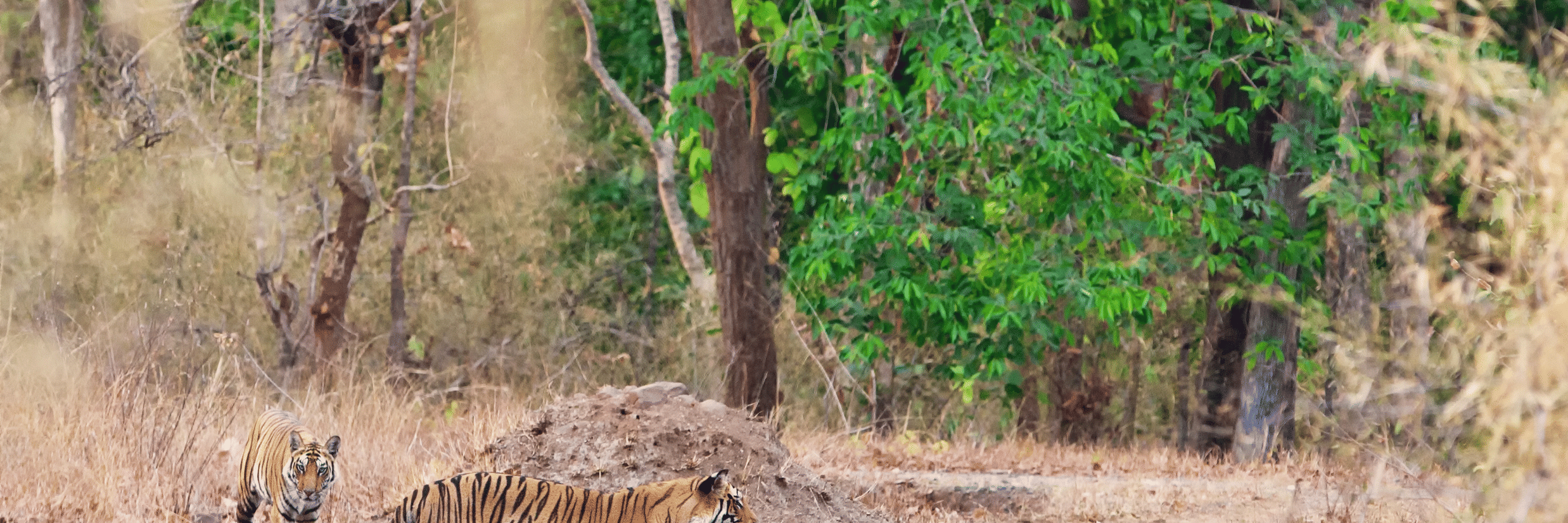
Summer safaris don’t sound glamorous at first. Let’s be honest. Most travellers imagine harsh light, dusty roads, and uncomfortable afternoons. But speak to serious wildlife travellers, like photographers, conservationists, naturalists, and the narrative shifts completely.
Heat changes forests. Not dramatically overnight. Gradually. Streams shrink. Grass turns brittle. Animal movement becomes less scattered and more purposeful. This is exactly why experienced planners start discussing the best month for tiger sighting Nagarhole in advance.
For urban travellers considering a meaningful jungle safari near Bangalore, Nagarahole often enters the conversation quietly, almost respectfully. It doesn’t need dramatic marketing. Among evolving safari places in India, it simply offers consistent wilderness logic and the possibility of deeply memorable tiger sighting moments.
Why Summer Changes Wildlife Behaviour
There’s a subtle science behind increased sightings. It’s not magic. It’s a survival behaviour.
As temperatures climb, peripheral waterholes dry first. Herbivores gravitate toward permanent sources. Predators observe this shift and begin adjusting patrol routes accordingly. Over time, movement corridors become predictable, at least for trained trackers.
This ecological compression is one reason Nagarahole is often debated as the best national park for tiger sighting in summer. The terrain funnels activity naturally. Riverine belts act like wildlife highways. Dusty trails reveal fresh pugmarks.
Travellers researching the best place for tiger sighting in India sometimes overlook how important seasonal timing is. Location alone doesn’t guarantee sightings. In reality, a well-timed summer safari aligns travellers with the forest’s internal clock. When this alignment happens, a single tiger sighting can feel almost inevitable.
Nagarahole’s Quiet Dominance in Safari Planning
There are louder parks. Bigger names. Yet conversations around the best tiger sighting in India repeatedly circle back to Nagarahole. Not because it promises certainty, which no forest can, but because it offers consistency.
A carefully planned Nagarhole Tiger Reserve safari often reveals multiple ecological stories in one drive. Herd movement near backwaters. Sudden alarm calls from langurs. Distant silhouettes crossing golden clearings.
Accessibility plays a role, too. For travellers considering a premium safari near Bangalore, the journey feels manageable rather than exhausting.
Among modern safari places in India, this reserve balances biodiversity density with controlled tourism. Travellers increasingly appreciate this balance. Less chaos. More immersion. Better photographic conditions. Stronger emotional recall.
Why the Nagarhole Jeep Safari Feels Different
The Nagarhole jeep safari offers something buses rarely can- responsiveness. Drivers adjust routes based on fresh wildlife updates. Naturalists read terrain cues almost instinctively. Stops feel intentional rather than routine.
During peak summer safari weeks, waterbody loops become strategic zones for tiger sighting attempts. The forest atmosphere changes too. Engine noise fades into background awareness. Every snapped twig suddenly matters.
Travellers planning a serious jungle safari often say jeep drives heighten sensory engagement. You don’t just observe wildlife. You participate in the anticipation. The emotional involvement becomes the defining memory of the trip.
Luxury Stays That Shape Safari Quality
Accommodation proximity can quietly influence safari success. Premium resorts near Nagarhole tiger reserve reduce transfer fatigue and allow guests to prioritise early departures. Small advantage. Big outcome.
A thoughtfully curated Nagarhole tiger reserve resort also integrates wildlife briefings, flexible meal timings, and personalised drive sequencing. These operational details matter more than decor alone.
For travellers mapping a refined jungle safari near Bangalore, stay selection becomes part of the strategy. In reality, seamless lodge coordination can transform a standard drive into a deeply immersive Nagarhole Tiger Reserve safari experience.
Timing Your Safari for Maximum Probability
Forest schedules rarely respect urban comfort zones. The most productive Nagarhole jeep safari departures begin at dawn or resume just before sunset. Cooler temperatures encourage movement. Light conditions favour visibility.
These behavioural patterns reinforce Nagarahole’s standing as the best national park for tiger sighting during hotter months. The safari timings summer are as follows.
| Slot | Timing | Likely Wildlife Behaviour |
|---|---|---|
| Morning | 6:00- 9:00 AM | Predator patrol routes, fresh tracks |
| Evening | 3:30- 6:30 PM | Waterhole congregation, grazing herds |
Travellers targeting the best tiger sighting in India often book multiple drives. Not out of impatience but out of understanding. More forest exposure during a focused summer safari simply improves the statistical chances of that unforgettable tiger sighting.
The Safari Experience Beyond Big Cats
Yes, the dream revolves around stripes. But limiting expectations to one species can dilute the overall journey. Nagarahole rewards curiosity.
Guests exploring diverse safari places in India frequently realise that memorable safaris emerge from layered encounters. Elephant calves stumbling across riverbanks. Wild dog packs moving with eerie coordination. Crested serpent eagles scanning silent valleys.
A thoughtfully paced jungle safari allows these quieter moments to register emotionally.
Travellers designing a slow jungle safari near Bangalore itinerary often include interpretive nature walks, birding sessions, and conservation storytelling. Even without a confirmed Nagarhole Tiger Reserve safari sighting, the experience feels complete.
Ironically, releasing obsession often improves the eventual tiger sighting probability.
Designing a High-End Summer Safari Itinerary
Premium safari travel is rarely rushed. Arrival days should feel transitional, offering time to absorb forest textures from a private deck.
The following morning, a focused Nagarhole jeep safari along the river corridors can set an energetic tone. Midday hours work best for restorative pauses like spa therapies, curated cuisine, or naturalist conversations about predator ecology.
Travellers often underestimate how itinerary sequencing shapes satisfaction. Many initially planning a short safari discover they need extra nights to truly unwind. That’s the paradox of a well-designed summer safari- it begins as wildlife travel and evolves into a mental reset.
Why Summer 2026 Looks Particularly Promising
Wildlife forecasting blends observation with educated intuition. Current habitat indicators suggest stable prey density and favourable water distribution patterns, encouraging signals for the best tiger sighting prospects.
Nagarahole’s conservation continuity further strengthens its perception as the best national park for tiger sighting. Controlled vehicle permits maintain experiential quality. Habitat corridors remain intact.
Ultimately, the most fulfilling jungle safari journeys rarely happen impulsively. They unfold through careful planning, seasonal awareness, and the willingness to synchronise travel ambition with ecological timing, especially when meaningful tiger sighting goals are involved.
Read Also : Tiger Safari in Karnataka: Where to Spot the Majestic Big Cat
Summing Up
Luxury travel is changing. Slowly, but unmistakably. It’s shifting from checklist tourism toward experiences that feel grounding, almost reflective.
Among evolving safari places in India, Nagarahole continues to offer something quietly powerful- authentic wilderness layered with refined comfort. Whether planning an intensive Nagarhole tiger reserve safari or a short yet immersive safari near Bangalore, travellers discover that patience becomes the greatest travel skill.
Today’s premium explorers value privacy, personalised guiding, and immersive storytelling. These expectations align perfectly with a thoughtfully structured summer safari.
For those seeking elevated forest living without compromising ecological sensitivity, luxury properties like Machaan Wilderness Lodge, Nagarahole deliver curated wildlife experiences, discreet luxury design, and conservation-rooted hospitality.
Sometimes, the rarest travel memory is simply witnessing a wild landscape on its own terms.
Frequently Asked Questions
Q1. What is the best month for tiger sighting in Nagarahole?
Ans. Late March to May generally offers stronger visibility because vegetation thins and animals depend heavily on permanent water sources. However, conditions vary yearly based on rainfall, prey distribution, and forest management policies affecting safari zone accessibility.
Q2. Is Nagarahole suitable for wildlife travellers?
Ans. Yes, the reserve is increasingly preferred by travellers due to curated lodges, experienced naturalists, and controlled visitor density. This combination allows guests to experience authentic wilderness without sacrificing comfort, privacy, or high-quality personalised safari planning support.
Q3. How many safaris improve sighting probability?
Ans. Wildlife experts recommend booking at least three to four drives across different zones and timings. Each safari presents unique behavioural patterns, improving overall encounter potential rather than relying on a single high-expectation outing that may feel rushed.
Q4. Are summer safaris physically uncomfortable?
Ans. While midday temperatures rise, early morning and evening drives remain surprisingly pleasant due to airflow in open vehicles. Premium lodges structure schedules thoughtfully, allowing adequate rest between drives so travellers remain energised and comfortable throughout the safari experience.
Q5. Can Nagarahole be combined with other destinations?
Ans. Yes, travellers often extend itineraries to include Coorg’s plantation retreats, Kabini backwater experiences, or Bandipur drives. This combination creates a balanced Karnataka circuit blending wildlife immersion, scenic relaxation, and cultural exploration without excessive travel distances or fatigue.