- Best Hiking Spots In Sakleshpur: Trekker’s Paradise
- Best National Parks in Karnataka for Safari and Adventure Seekers
- Nagarahole National Park: A Safari Adventure with a Touch of Elegance
- Best Tourist Attractions in Sakleshpur: Complete Travel Guide
- Things to do in Sakleshpur
- Safari Tours in India
- Tiger Safari in Karnataka
- Best Elephant Camps in Karnataka
- Scenic Iruppu Falls Western Ghats Guide
- Complete Guide for Ettina Bhuja Trek
- Complete Guide for Thirunelli Temple
- Explore Magajahalli Waterfalls in Sakleshpur
- Tadiandamol Trekking
- Tourist Attractions in Coorg
- Things to Do in Mysore: Explore Nature, Adventure & More
- Madikeri Fort
- Brahmagiri Wildlife Sanctuary
- Hadlu Waterfalls Sakleshpur Guide
- Best Tourist Attractions Kabini
- Black Leopard Wildlife Sanctuaries India
- Coffee Estate Walks in Sakleshpur
- Bird Watching in Nagarhole
- Bisle Ghat in Sakleshpur
- Sakleshpur Vs Coorg Hill Station Guide
- Luxury Jungle Resort India
- Wildlife Tiger Safari Destinations In India 2026
- Best Wildlife Forest Safaris karnataka 2026
- Forest Safaris Near Mysore
- Pandavar Gudda Trek Sakleshpur
- Belur Halebid Temples
- Kabini Vs Nagarahole Wildlife Destination
- 2 Day Nagarhole Trip From Bangalore
- Romantic Getaways For Couples in Karnataka
- Escape to Wellness Eco Retreat Sakleshpur
- Coffee Plantations And Estates Karnataka
- Kabini River Coracle Rides
- Kabini River Coracle Rides - Copy
- Sakleshpur with Kids Summer Vacation Guide
- Summer Safari Tiger Sightings
- Coorg Vs Sakleshpur Summer Guide
- Glamping Experience In Nagarhole Guide
- Sakleshpur Vs Bangalore Summer Temperature
- Kabini Alternative Nagarahole Guide
- Sakleshpur 3 Day Itinerary Summer
- Jungle Safari Packing List
There’s something about Belur and Halebid that feels a bit unusual the moment the roads begin to narrow. The towns look simple at first, almost sleepy in a way, and then suddenly the temples rise in front of you, and the whole mood changes. The stones seem older than everything around them. Some travellers even pause for a moment before walking in because the carvings don’t look like the typical temple carvings people expect. They feel finer, softer, almost like someone kept shaping them long after the others stopped.
These towns became popular long ago and remain among the most visited Belur Halebidu tourist places, with people arriving mostly to see how detailed the sculptures actually are.
Old Work That Still Feels New
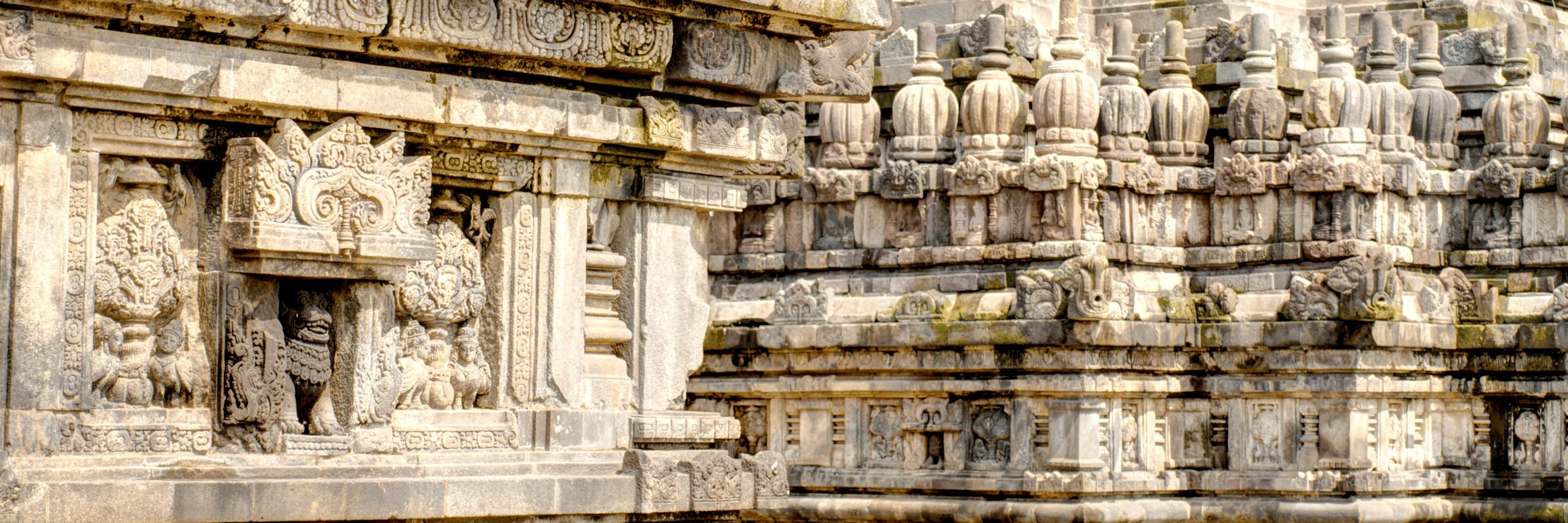
The Belur and Halebidu temple structures belong to the Hoysala period, and the artists from that time clearly worked with a level of patience that feels difficult to imagine now. They used soapstone, which stays soft when freshly cut. The softness allowed sculptors to carve tiny patterns, loops, and textures that would normally be impossible in harder stone. And later, when the stone hardened, all the fine work stayed intact.
If someone stands close and looks carefully, small details, like the edges of clothing and tiny beads, appear clearly even today. This is what puts these temples among the important places to visit in Belur Halebidu, no matter the season.
Belur and Its Carvings
The Chennakeshava Temple in Belur is usually the first stop for most visitors. It stands on a star-shaped platform. At certain times of the day, sunlight falls through the entrance and highlights a few carvings that weren’t visible earlier. The walls show dancers, gods, animals, and scenes from stories that many people grew up hearing.
Most travellers begin walking around the temple slowly without meaning to, because there’s something to see on every corner. People sometimes mention that the carvings here feel almost delicate, as if the sculptor didn’t rush through any part of the work. Belur still stands strong in any list involving Belur and Halebid heritage.
Halebid and Its Heavy Stone Look
Halebid’s Hoysaleswara Temple looks different right from the start. It is larger, more spread out, and the carvings appear deeper and more layered. The temple was never fully completed, but what exists looks complete enough for visitors to spend a long time walking around.
The stories carved on the outer walls move in long rows- battles from mythology, dancers, animals lined up in patterns, and many other details. It stays quiet around the temple for most of the day. The quietness gives a different kind of feeling to the place and keeps Halebid among the most peaceful Belur Halebidu tourist places.
Walls That Carry Stories
The Halebid Belur temple complex carries a lot of stories in stone. Scenes from the Ramayana and Mahabharata are placed one after another. Some carvings show tiny jewellery pieces, some show hair, some show expressions that look strangely real even now. The animals at the base of the temple walls form a long protective line that continues almost without a break. It’s the sort of detail that makes people walk around the structure more than once just to try to take everything in.
The Feeling Around the Place
Something else stands out here. The temples are still in use. Priests walk across the inner areas, bells ring softly, and lamps glow in the deeper corners. People sit quietly on the stone floors. The place doesn’t feel like a museum. It feels like a mix of old life and present-day routine.
This living atmosphere makes the temples more than just historical places to visit in Belur Halebidu. The space feels warm, almost welcoming, even when the carvings feel overwhelming.
Light That Keeps Changing the Look of Stone
The carvings shift slightly through the day because of how the light moves. Morning gives clear outlines. Midday creates heavier shadows. Evening brings a warm tone over the walls, making the sculptures appear almost softer. Since the temples have a star-shaped plan, sunlight touches different sides at different times, giving new shapes to carvings that earlier stayed hidden.
Even travellers who didn’t come for photos usually end up taking some because of how interesting the light looks on the stone.
The Drive and What Comes With It
Travelling between Belur and Halebid doesn’t take long. The route has coconut trees, small farmlands, calm stretches of road, and the slow movement of village life. Many travellers cover Belur first and reach Halebid by late afternoon when the light is gentler. Both places can be explored without rushing.
People staying in Sakleshpur usually add this to their trip as a cultural addition because there are so many things to see in Sakleshpur, and the temples fit naturally into that mix.Craft Traditions That Still Remain
Small workshops around the region still practise stone carving. The work is slower and smaller than the temple carvings, of course, but the method continues. Visitors often stop to watch artisans shaping stone into small lamps or figures. It makes the experience of visiting Halebid Belur temple feel connected to something that is still alive, not forgotten.
The Quiet Corners Stay in Memory
The memories that stay with travellers often come from simple moments. A breeze passes through carved pillars. The cool touch of stone under sunlight. The echo of a temple bell. The silence that sits comfortably around the courtyard. These small things add up and shape the experience in ways that last longer than expected.
People often talk about how peaceful the temples feel compared to other places to visit in Belur Halebidu, even though they attract so many visitors.
Why the Temples Still Matter
The temples continue to be important because they represent a time when art, skill, and devotion came together naturally. Students and artists visit just to study the details. Carvings show scenes not only from mythology but from everyday life- markets, dancers, warriors, and different cultural elements from the past. This is why these structures still stand as some of the most valued Belur Halebidu tourist places in Karnataka.
The Way the Temple Grounds Feel While Walking Around
Something people mention often is how the temple grounds feel while walking from one corner to another. The floor stays cool even under the sun, and the open courtyard makes footsteps echo slightly, almost like the space is answering back. The layout of the Belur and Halebid temples isn’t straight or predictable. There are turns, sudden openings, and pillars that appear with carvings on all sides.
A traveller might look at one sculpture and think it’s the most detailed one, and then just two steps ahead, something even more complicated shows up. The place pulls you in without making noise. The soft sound of bells from inside mixes with the voices of people walking around, and sometimes the crow's call from far away breaks the silence. It feels simple but strong.
Small Details Many Visitors Miss on Their First Walk
Even though the temples look huge and filled with obvious carvings, some of the most interesting details hide in corners. The base panels at the Belur and Halebidu temple sites have long rows of animals that run almost like a protective band around the outer walls. Elephants, lions, horses, and mythical creatures stand in long sequences with barely any repetition. If someone bends a bit and looks closely, each one has slightly different carvings on its legs or face.
There are also dancers carved into pillars with tiny jewellery, belts, and anklets that look almost like they belong to a living person. The sculptors shaped muscles, fingers, and even hair curls with surprising patience. Many travellers walk past these without noticing because the bigger carvings usually catch attention first.
A Quiet Stay After the Visit
Sakleshpur remains a comfortable place to stay for people exploring these temples. The climate stays cool through most of the year, and the plantation offers a refreshing break after walking through stone corridors and old pathways.
The best resorts in Sakleshpur are usually built inside coffee estates or near hills, offering open verandas and peaceful spaces for travellers who want to rest without noise.
Machaan Plantation Resort, Sakleshpur
One of the best places is the Machaan Plantation Resort, Sakleshpur. The resort sits inside a large coffee estate, with tall trees around and open pathways. The cottages blend naturally with the surroundings, and the air feels crisp through the evening.
Visitors often return there after exploring Belur and Halebid, finding the mix of heritage and hillside rest ideal. This gentle balance keeps Machaan listed among the well-known best resorts in Sakleshpur.
A Last Thought
The temples of Belur and Halebid carry stories, effort, and a type of skill that rarely appears again. Walking around the walls feels like slowly reading a very old book. The carvings keep their strength, the atmosphere stays calm, and the place leaves a quiet mark on anyone who spends time there.
These towns continue to offer an experience that is steady, beautiful, and full of history carved into stone.
Frequently Asked Questions
Q1. Why are the Belur and Halebid temples considered Hoysala masterpieces?
Ans. People call them masterpieces because the work doesn’t feel rushed. Every wall, corner, and figure looks carefully thought through. The Belur and Halebid temples show how deeply the Hoysala builders cared about detail, balance, and storytelling.
Q2. What is special about the carvings at Belur and Halebid?
Ans. The carvings feel almost soft to look at. Jewellery, faces, and even movement appear carefully shaped. At both the Belur and Halebidu temple sites, the stone tells stories quietly, without needing explanation boards or guides to feel impressive.
Q3. What is the best time to visit Belur and Halebid?
Ans. Most visitors prefer cooler months when walking around feels comfortable. Light during mornings and late afternoons works best, too. At that time, the carvings at the Halebid Belur temple complex appear clearer, warmer, and easier to notice.
Q4. How far are Belur and Halebid from Sakleshpur?
Ans. The drive from Sakleshpur isn’t very long. But, it feels slower in a good way. Roads pass through villages and fields. This makes the journey part of the experience. Many people stay in Sakleshpur and visit Belur and Halebid in a day.
Q5. What other attractions are near Belur and Halebid?
Ans. Apart from the temples, the surrounding region offers forts, plantations, and quiet countryside drives. These places don’t demand time or effort. This is why they pair well with visits to Belur Halebidu tourist places.